
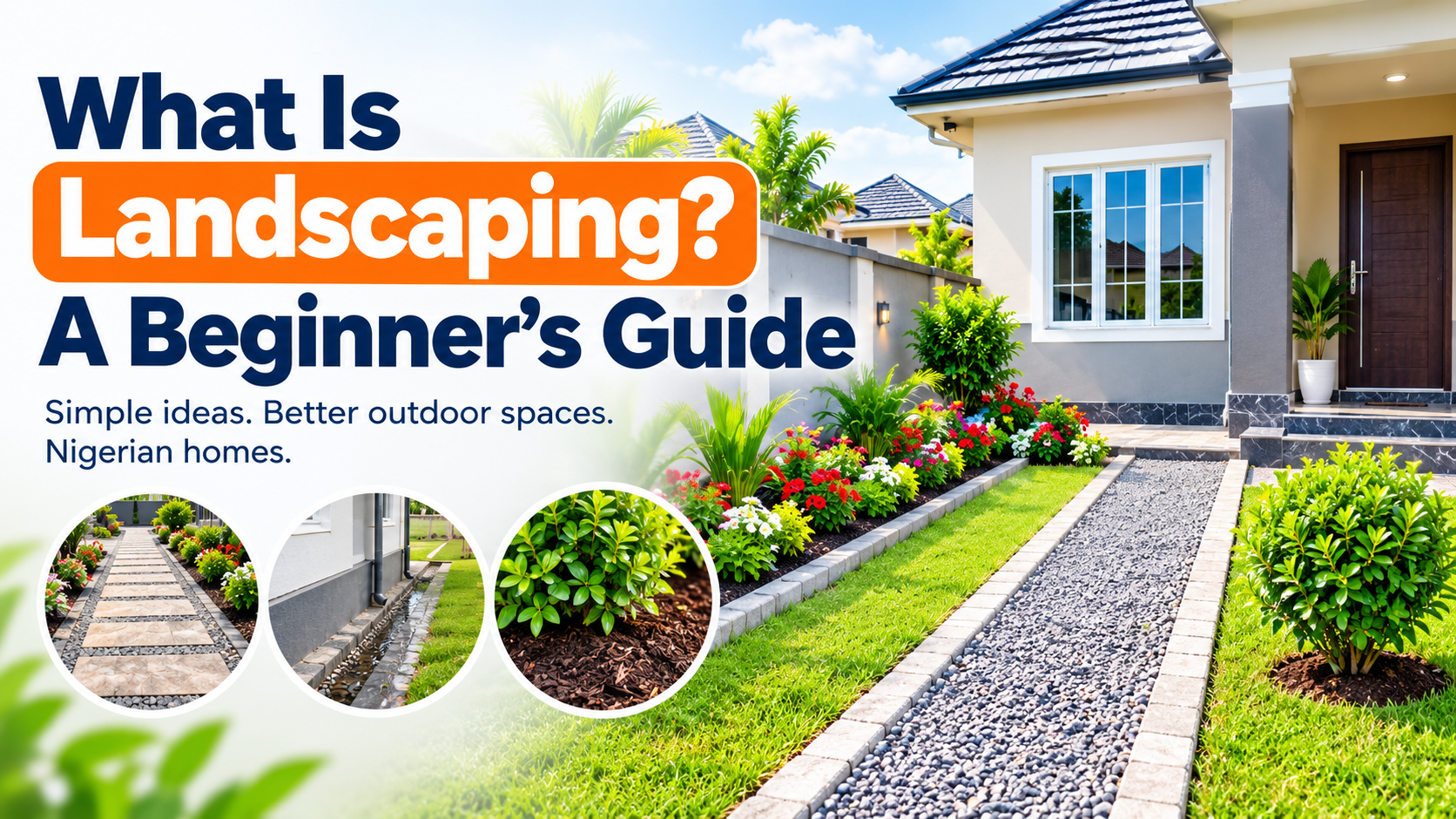
Landscaping is the process of improving an outdoor space to make it more attractive, comfortable, practical, and easier to maintain. For a Nigerian home, landscaping might mean planting flowers along a fence, creating a simple walkway, adding shade around the compound, or improving drainage to prevent rainwater from collecting near the building.
Many people think landscaping is only for expensive houses with large gardens and professionally maintained lawns. However, you can improve the appearance and usefulness of a small compound without spending a fortune.
When thinking about landscaping, I would start with the practical needs of the space before spending money on decoration. A beautiful garden is less useful if rainwater collects around the walls, plants die because they receive too much sunlight, or the walkway becomes muddy during the rainy season.
In this beginner’s guide, you will learn what landscaping involves, why it matters for Nigerian homes, how to plan a project, which simple improvements to consider, and when professional help may be necessary.
What Does Landscaping Include?
Landscaping generally involves two main types of work: hard landscaping and soft landscaping. Understanding the difference can help you plan your outdoor space more effectively.
1. Hard Landscaping
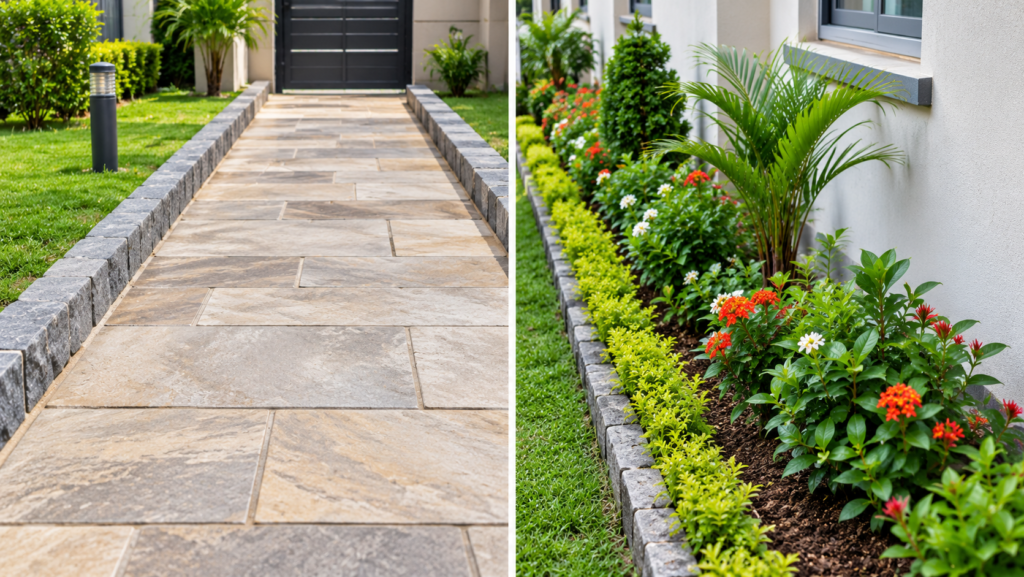
Hard landscaping refers to the non-living features of an outdoor area. These features help define the space, improve access, and manage water.
Examples include:
- Paved paths and walkways
- Patios and outdoor sitting areas
- Fences, walls, and garden edging
- Steps and paved entrances
- Drainage channels and suitable gutters
- Decorative stones and gravel paths
- Outdoor lighting installed safely
For example, a simple walkway can help people move around the compound without walking through wet soil. Proper drainage channels can also help direct rainwater away from areas where it causes problems.
2. Soft Landscaping
Soft landscaping involves the living parts of an outdoor space, including plants, trees, shrubs, and grass.
Common examples include:
- Flower beds and garden borders
- Grass lawns and ground-cover plants
- Trees that provide shade
- Shrubs and hedges along fences
- Climbing plants and raised planters
- Small vegetable or herb gardens
Soft landscaping can make a compound look more welcoming and may help reduce dust and heat when the right plants are chosen.
The best results often come from combining both types. A simple path surrounded by suitable plants can look attractive while remaining easy to maintain. However, drainage and ground preparation should come first wherever water is a problem.
Why Is Landscaping Important for Nigerian Homes?
Landscaping is not only about making a house look beautiful. It can also improve how the outdoor space functions throughout the year.
Nigeria experiences different weather conditions across its regions, but strong sunlight, dust, and seasonal heavy rainfall can all affect residential compounds. Planning for these conditions helps you avoid unnecessary maintenance and expenses.
Better Drainage Around the House
Water that collects close to a building can contribute to dampness, erosion, and damage to some building materials. Poor drainage can also wash soil onto walkways and leave parts of a compound muddy.
A well-planned outdoor space directs water towards an appropriate drainage outlet instead of allowing it to collect near the building.
Reduced Dust and Soil Erosion
Bare soil can produce dust during dry weather and wash away during heavy rainfall. Grass, suitable ground-cover plants, mulch, and properly constructed paths can help protect exposed soil.
However, planting alone will not solve every erosion problem. Steep slopes or areas with strong water flow may need a more carefully designed drainage or erosion-control solution.
More Shade and Outdoor Comfort
Trees and suitable plants can provide shade and make outdoor spaces more comfortable. This can be particularly useful where direct sunlight makes the compound or nearby windows uncomfortable during hot afternoons.
Before planting a tree close to a house, check its mature size, root system, and distance from foundations, walls, and underground pipes.
Improved Appearance
A tidy compound with defined paths, healthy plants, and clean edges can make a home look better maintained.
You do not need expensive tiles, imported plants, or elaborate garden features to achieve this. A few well-chosen plants and a clean, functional layout can make a noticeable difference.
Better Use of Outdoor Space
Landscaping can help you create a place to sit, a safe route to the entrance, a small garden, or a more organised area for everyday activities.
The most useful design is one that suits the people living in the house and the way they use the compound.
How to Plan Your Landscaping Project
Before buying plants, gravel, or decorative materials, take time to understand the space you want to improve. This simple planning stage can prevent avoidable mistakes.
1. Observe How Sunlight Reaches the Compound
Walk around your compound at different times of the day. Notice which areas receive direct sunlight, which receive partial shade, and which remain shaded for most of the day.
This matters because plants have different light requirements. A plant that thrives in full sunlight may struggle in a dark corner, while a shade-tolerant plant may become stressed in intense afternoon sun.
Also consider where sunlight enters the house. If a window becomes uncomfortably hot, a carefully positioned shade plant may help, provided it does not block ventilation or create other maintenance problems.
2. Check the Drainage
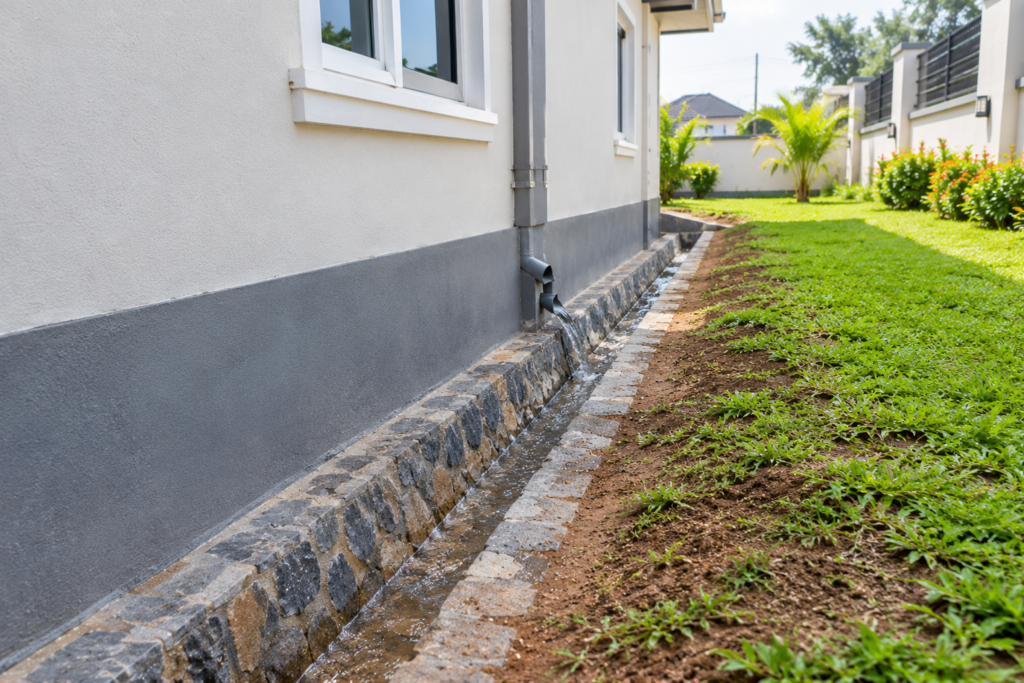
Observe the compound during or after rainfall. Look for places where water collects, soil washes away, or water flows towards the building.
If water repeatedly gathers near the walls, deal with the underlying drainage problem before investing heavily in plants or paving.
The solution may involve clearing blocked drains, correcting ground levels, or installing a suitable channel. More complicated drainage problems may require a qualified professional to assess the slope and identify a safe outlet.
Do not redirect water onto a neighbour’s property or connect a new channel to a public drainage system without checking the applicable requirements.
3. Understand the Soil
Soil affects how well plants establish themselves and how much watering they need.
Sandy soil usually drains quickly but may struggle to retain moisture and nutrients. Heavy clay soil retains more water and may become waterlogged during the rainy season.
You can improve many garden soils by incorporating suitable organic matter, such as mature compost. The amount and type of amendment should depend on the soil and the plants you intend to grow.
Avoid adding fresh manure directly around delicate plants, and do not assume that every soil problem can be solved by adding compost alone.
4. Choose Plants That Suit Your Area
Look at plants growing successfully in nearby compounds, gardens, and nurseries. Ask local nursery workers which varieties suit your area, the available sunlight, and your soil conditions.
This is often a practical starting point because plants that already thrive under similar conditions may require less effort to maintain.
Check the mature height and spread of each plant before purchasing it. A small seedling can eventually obstruct a walkway, cover a window, or interfere with nearby structures.
5. Set a Realistic Budget
Decide how much you can afford before visiting a nursery or hardware shop.
Separate your budget into essentials and optional improvements. Essential work might include drainage repairs, soil preparation, and safe access paths. Decorative stones, extra flower pots, and elaborate garden features can wait until the basics are complete.
For a limited budget, it is usually better to finish one small area properly than to start several projects and leave them unfinished.
Simple Landscaping Ideas for Beginners
You do not need to redesign the entire compound at once. Start with a small project that solves a practical problem or improves an area you use regularly.
1. Create a Flower Bed Along a Wall
A narrow garden border can soften the appearance of a fence or wall and make an entrance look more welcoming.
Start by marking the area and removing weeds. Loosen the soil where appropriate and incorporate mature compost if needed. Choose plants according to the available sunlight, soil conditions, and the amount of maintenance you can manage.
Hibiscus is a common flowering shrub worth considering where it suits the local climate. Snake plants, commonly called sansevieria, may suit some shaded or partially shaded areas and can tolerate periods of neglect once established. Lantana may also be suitable for sunny locations, but check its growth habit and potential invasiveness locally before planting it.
Leave enough room between the plants and the wall for maintenance and airflow. Do not create a garden bed that traps water against the building.
Water new plants according to their needs while their roots establish. Gradually adjust watering based on rainfall, soil moisture, and the type of plant.
2. Build a Simple Garden Path
A walkway makes it easier to move around the compound without stepping on plants or walking through mud.
Depending on the ground conditions and budget, you might use stepping stones, gravel, or a properly prepared paved surface.
Before choosing the route, observe where people naturally walk. A path that follows the most practical route is more likely to be used than one placed only for appearance.
Prepare the ground properly and make sure the finished path does not trap water or direct runoff towards the house. Gravel paths may need edging to prevent the stones from spreading into nearby garden beds.
If the path will be used frequently, consider how stable and slip-resistant it will be during rainfall.
3. Improve Drainage Around the Compound
Drainage should be a priority whenever water collects near the building or repeatedly damages the ground.
Start by checking existing gutters, drain openings, and channels for leaves, soil, and other debris. Clearing a blockage may improve water flow without requiring a major construction project.
Where ground levels are contributing to the problem, a suitable change in slope or a properly designed drainage channel may be necessary.
Some properties may benefit from a shallow planted depression or a purpose-built drainage system, but the right option depends on the soil, rainfall, available space, and a safe outlet for the water.
Avoid digging deep channels or changing ground levels near foundations without understanding the potential risks. If water repeatedly enters the building or the soil is eroding significantly, seek professional advice.
4. Use Mulch Around Plants
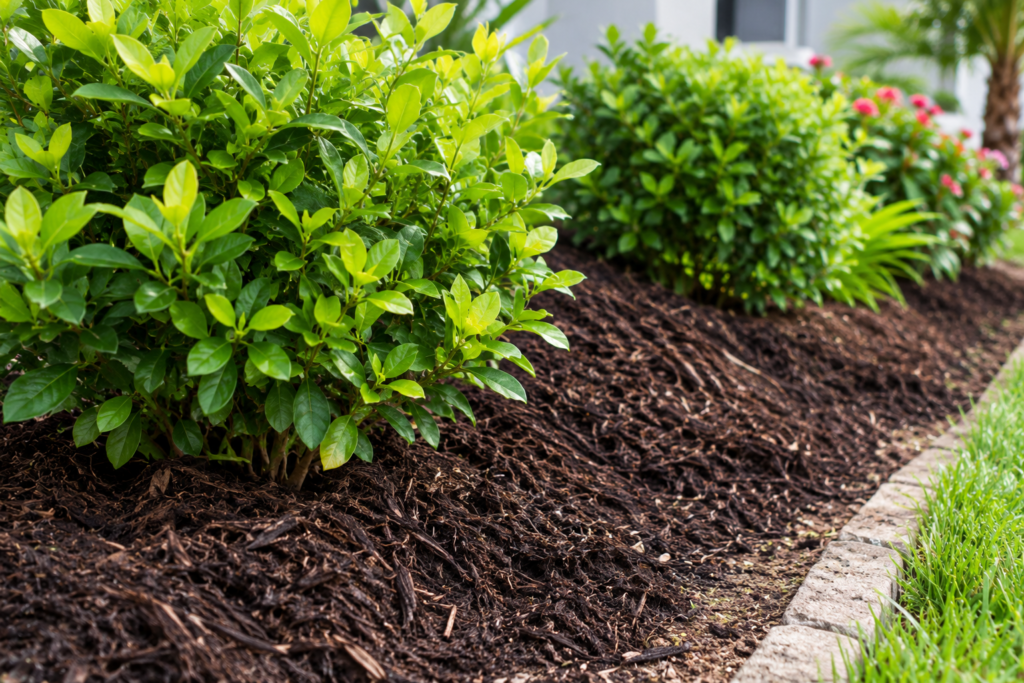
Mulch is a protective layer placed over the soil around plants. Suitable materials include dried leaves, wood chips, and other appropriate organic materials.
Mulch can help the soil retain moisture, reduce weed growth, and protect exposed soil from heavy rain.
Spread the mulch evenly and avoid piling it directly against plant stems or tree trunks. A thick layer pressed against the stem can encourage rot and other problems.
Use clean material that is suitable for your garden, and replenish it as it breaks down.
5. Add Shade With Suitable Plants
If part of your compound becomes very hot in the afternoon, suitable shade plants may improve comfort over time.
Choose trees or shrubs based on their mature size, root behaviour, and maintenance requirements. Consider overhead cables, roofs, underground pipes, nearby walls, and the amount of space available.
Trees take time to grow, so they are a long-term investment rather than an immediate solution. If you need shade quickly, a suitable outdoor shade structure may be worth considering.
6. Keep the Compound Neat With Defined Edges
You can improve the appearance of an outdoor area simply by defining the edges of paths and garden beds.
Stones, bricks, or other suitable edging materials can separate gravel from soil and make the compound easier to maintain.
Keep walkways clear and make sure edging does not create a tripping hazard. The materials should also be stable enough to withstand normal foot traffic and rainfall.
Common Landscaping Mistakes to Avoid
Some landscaping mistakes waste money, damage plants, or create problems that are difficult to correct later.
Ignoring Drainage
Installing plants, paving, or decorative stones before solving a drainage problem can lead to waterlogging, erosion, and damage to the finished work.
Address significant water problems first.
Planting Too Close to Buildings
Plants grow, and some develop extensive roots or heavy branches. Check their mature size before planting near walls, foundations, fences, underground pipes, or paved areas.
Choosing Plants Only for Their Appearance
A plant may look attractive at the nursery but struggle in your compound because the sunlight, soil, or moisture conditions are unsuitable.
Choose plants that can thrive in the actual conditions of your garden.
Overwatering
Watering every day without checking the soil can leave some plants waterlogged and encourage root problems.
Check the soil moisture and consider recent rainfall before watering. Different plants require different amounts of water.
Using Plants That May Be Toxic
Some ornamental plants, including oleander, are poisonous if eaten. If children or pets use the outdoor space, check the safety of each plant before purchasing it and avoid placing hazardous plants where they can be easily accessed.
Spending the Entire Budget on Decoration
Decorative features cannot compensate for poor drainage, unstable paths, or unsuitable soil.
Prioritise the basic structure and function of the space before adding optional features.
Starting Too Many Projects at Once
Trying to landscape the entire compound at once can make the work expensive and difficult to complete.
Choose one manageable area, finish it properly, and move to the next project when your budget allows.
How Much Does Landscaping Cost in Nigeria?
The cost of landscaping depends on the size of the compound, the materials selected, the condition of the ground, and whether you do the work yourself or hire professionals.
A small project involving basic planting, mulching, and simple garden edging will generally require less money than a project involving extensive paving, retaining walls, drainage construction, or large trees.
Costs can also vary between locations and suppliers. For that reason, avoid relying on a single price without checking what is available locally.
Before starting, visit two or three nurseries or hardware shops and compare the prices of plants, soil, compost, gravel, stones, and other required materials. For larger projects, obtain written quotations that clearly explain the materials, labour, and work included.
A practical way to manage the budget is to divide the project into stages:
- Correct serious drainage or erosion problems.
- Prepare the soil and ground.
- Create essential paths and access areas.
- Purchase suitable plants and mulch.
- Add decorative features when the essentials are complete.
This approach allows you to improve the compound gradually instead of spending everything at once.
When Should You Hire a Landscaping Professional?
Many simple gardening tasks are manageable for beginners. However, some projects require technical knowledge, specialised equipment, or a professional assessment.
Consider hiring an experienced professional for:
- Retaining walls and work on steep slopes
- Drainage systems involving significant changes to ground levels
- Severe soil erosion or water entering the building
- Large trees close to buildings or overhead cables
- Major paving projects that affect surface-water flow
- Outdoor electrical installations and garden lighting
Before hiring someone, ask to see examples of similar work and request references where available. Agree on the scope of the job, materials, payment terms, and completion expectations in writing.
If you rent your home, ask your landlord for permission before making permanent changes such as constructing walls, digging substantial channels, or removing established trees.
Frequently Asked Questions About Landscaping
Is landscaping expensive?
Landscaping can be expensive when it involves major construction, but basic improvements can be affordable. Planting a small border, adding mulch, clearing blocked drains, or creating a simple path may be suitable starting points for a limited budget.
Can I landscape my compound myself?
Yes. Many beginners can manage planting, mulching, basic garden edging, and simple maintenance. More complicated drainage, retaining walls, major excavation, and electrical work may require professional assistance.
What should I landscape first?
Start by identifying the biggest problem in the space. If water collects near the building, address drainage before planting or paving. Otherwise, you might begin with soil preparation, a small garden border, or a walkway.
Which plants are suitable for Nigerian homes?
The best plants depend on your region, soil, sunlight, available water, and maintenance preferences. Hibiscus, snake plants, and lantana are examples worth discussing with a local nursery. Confirm that the particular varieties are suitable for your conditions before buying them.
Does landscaping increase property value?
Well-maintained landscaping can improve a property’s appearance and appeal to potential buyers or tenants. However, the effect on property value depends on the local market, the quality of the work, and the preferences of potential buyers. Avoid assuming that an expensive garden will automatically increase a home’s selling price.
How can I landscape a small compound on a budget?
Start with cleaning and planning. Correct any drainage problems, improve the soil where needed, and choose a small number of suitable plants. Add mulch and a practical walkway if required. Expand the project gradually as time and money allow.
Final Thoughts
Landscaping is about making an outdoor space more attractive, comfortable, and useful. You do not need a large compound or an expensive design to get started.
The most practical approach is to understand your space, identify the biggest problem, and work through improvements in the right order. Good drainage, suitable plants, stable walkways, and simple maintenance can make a meaningful difference without requiring an elaborate garden.
Start with one manageable improvement, learn what works in your conditions, and build on it over time. A well-planned compound is not necessarily the one with the most expensive features; it is the one that suits the home, the climate, and the people who use it.
